Natures Favourite Chew
Real. Raw.
Loved by Dogs.


Our Range
Find Your Dog's Favourite Chew
The Collection
A Chew for Every Dog Sub: From small breeds to power chewers, we've got a size that fits.
100% Natural
No Fillers. No Flavourings. No Compromise.
One ingredient, nothing added. Just pure deer antler, built to last.
Good to Know
WHY DOGS GO WILD FOR ANTLER
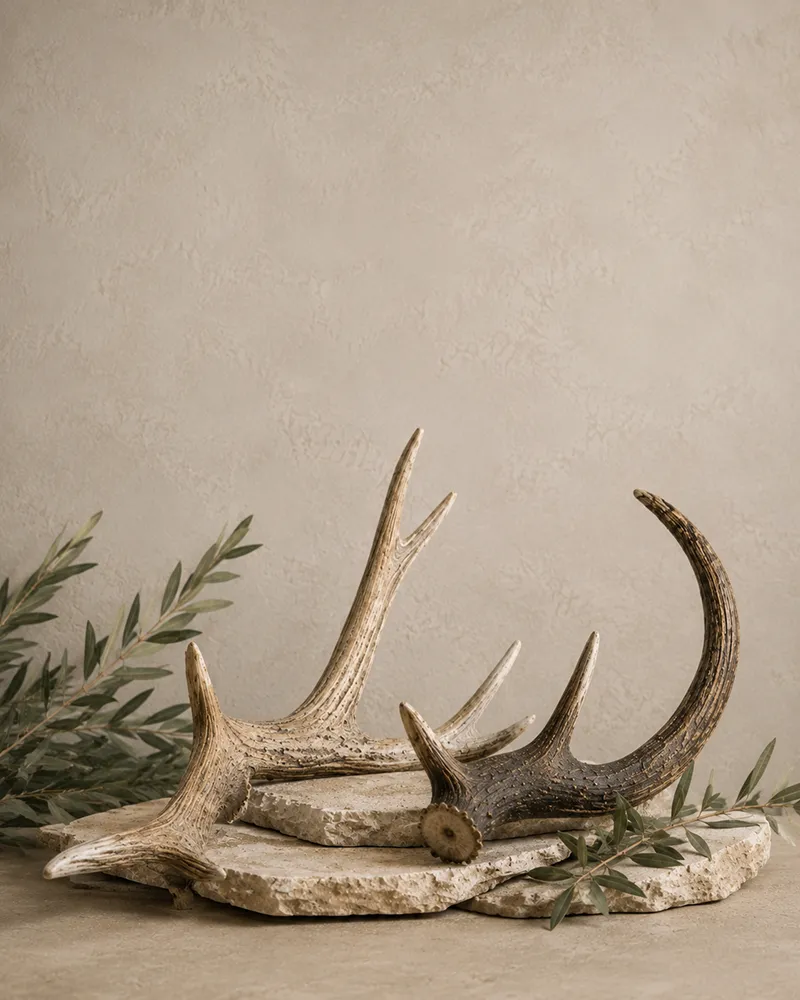
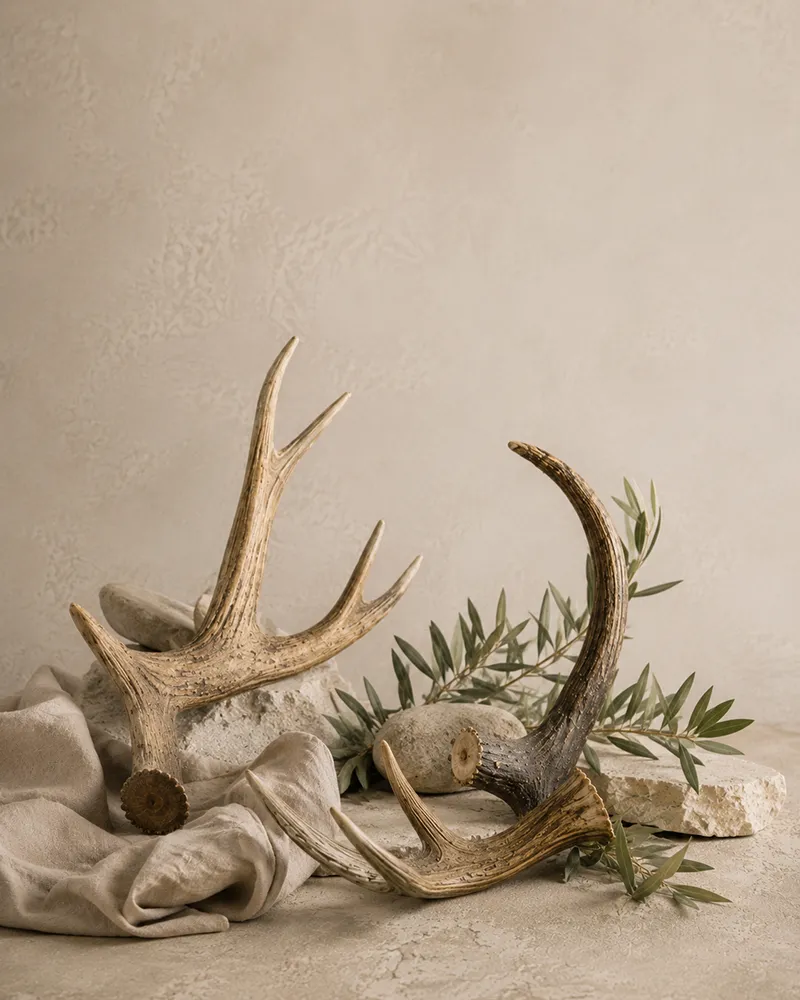
Deer antler chews are one of the most natural, long-lasting chews you can give your dog. Packed with minerals including calcium, phosphorus and zinc, they contain no artificial ingredients, preservatives or added flavours.
Unlike rawhide or synthetic chews, antlers are dense and slow to wear down, making them a great option for moderate to heavy chewers. And because they don’t splinter the way bone can, they’re a safer long-lasting option for most dogs.
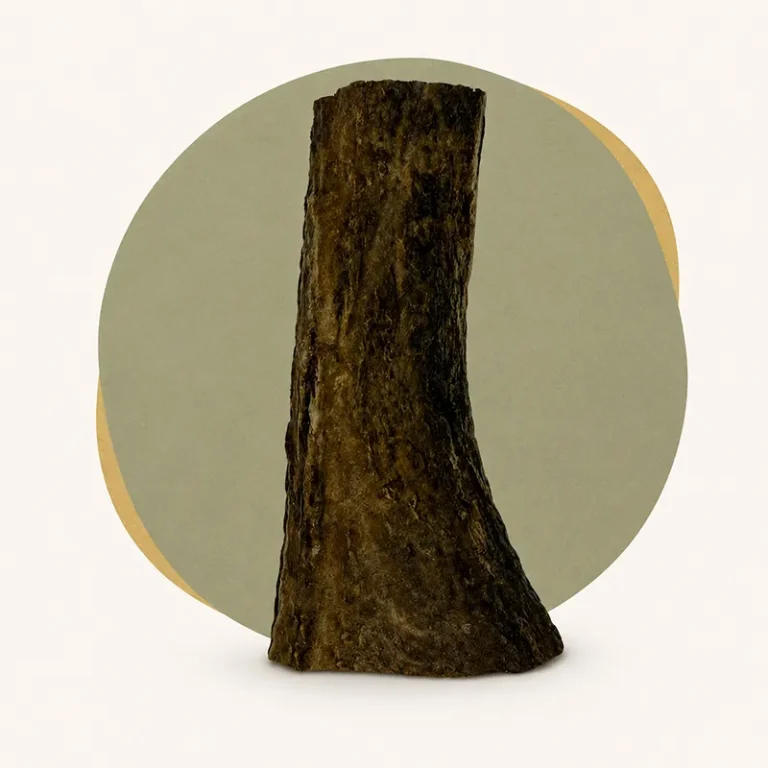
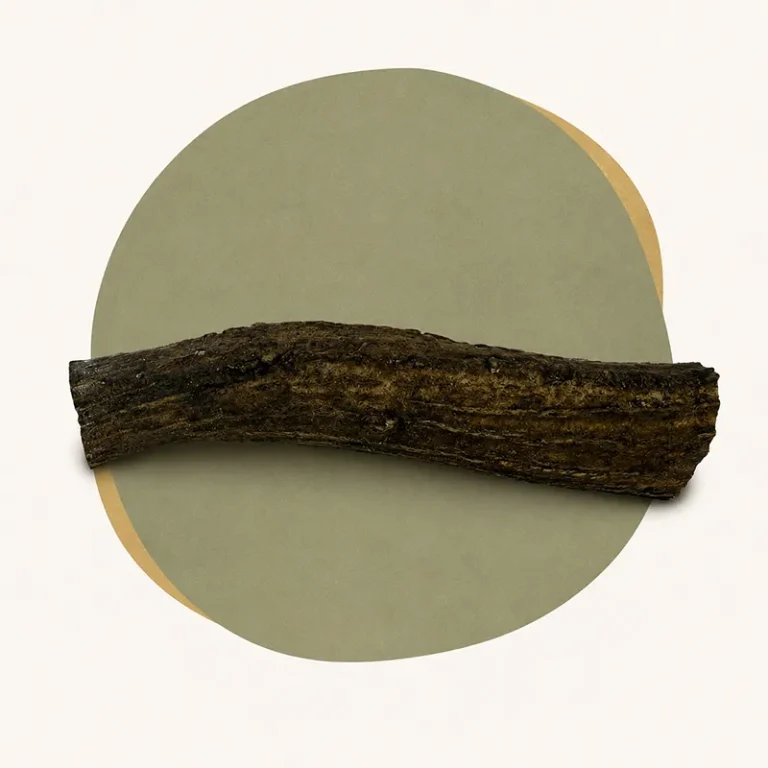
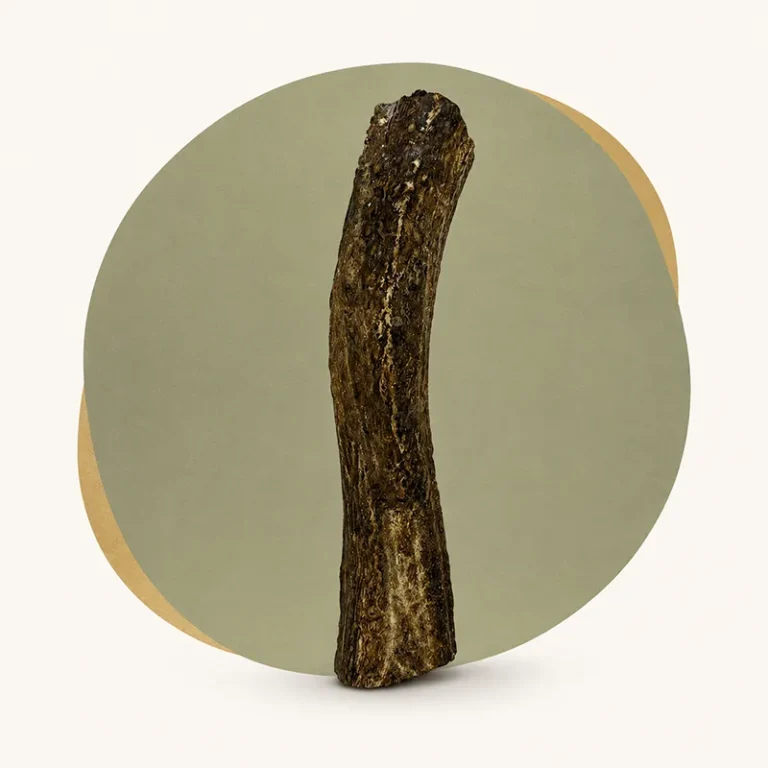
Whole antlers are great for strong chewers, while split antlers expose the softer marrow inside, making them ideal for gentler chewers or dogs just getting started
Review
"Our staffy has destroyed every chew we've ever bought him, usually within minutes. An antler from Deer O Deer has lasted over three weeks and he's still going. Absolutely worth it."
Jane Oliver
Questions we get the most..
Deer antlers are a 100% natural chew made from real antler that has been collected, cleaned, cut to size, and dried. No cooking, no chemicals, no preservatives, nothing added. What your dog gets is the antler exactly as it came, with an outer layer of dense, mineralised material and a softer, marrow-rich core inside. Split antlers expose that inner core straight away, while whole antlers keep it intact for the dog to work through over time.
Antler chews are one of the harder natural chews available, which makes them long-lasting but also means they are not suitable for every dog. The general rule is the “thumbnail test”: if you press your thumbnail firmly into the chew and it leaves no mark, the chew may be too hard for your dog. Dogs who are aggressive chewers, have older teeth, or have had any dental work should be supervised or given a softer option such as a split antler, where the marrow is already exposed and less pressure is needed to enjoy it.
Always supervise your dog with any chew, and take it away once it gets small enough to be swallowed whole
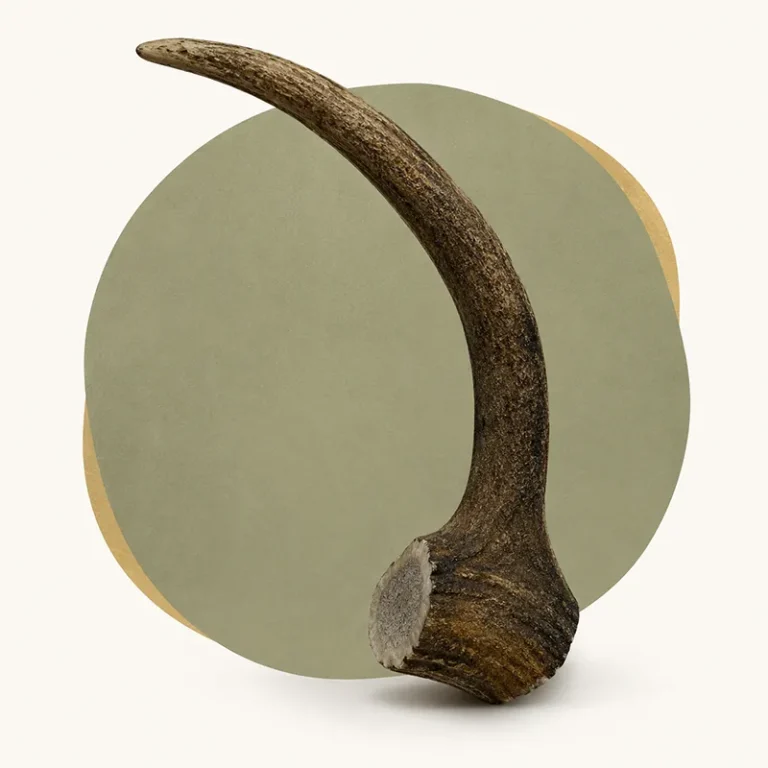
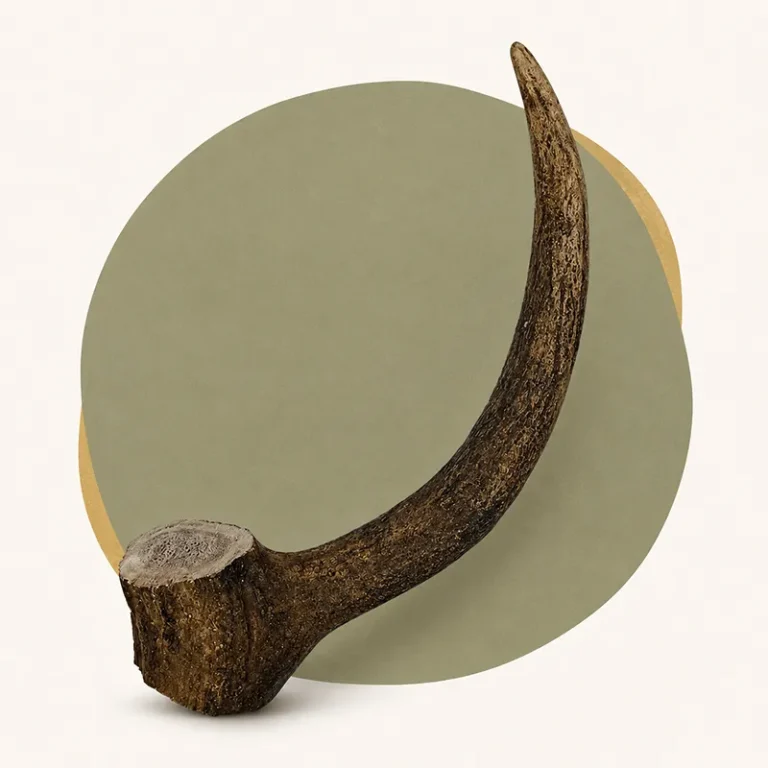
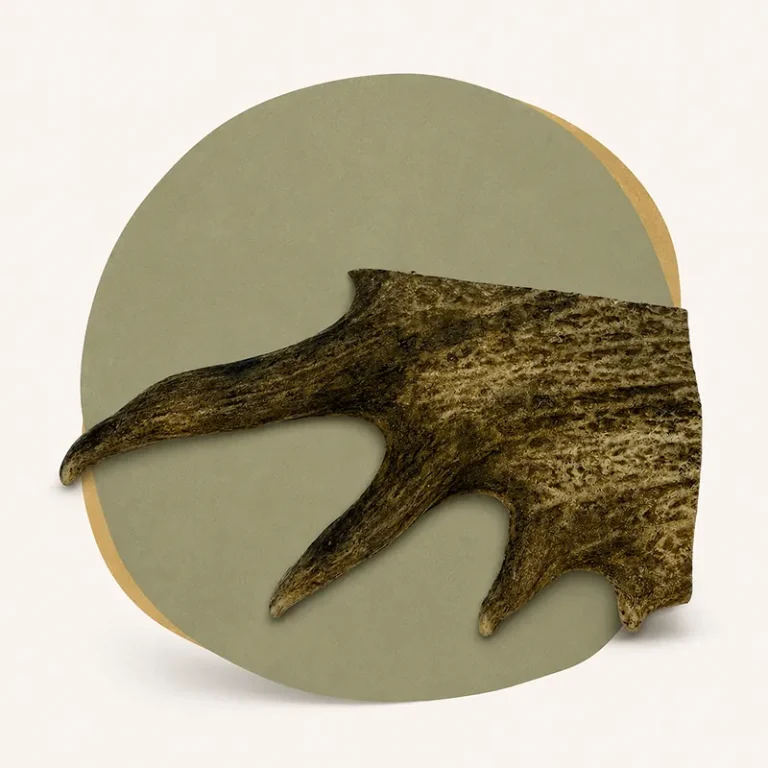
A whole antler has the outer cortex intact. It is harder and takes longer to work through, making it a good choice for strong, persistent chewers. The dog has to work to get to the marrow inside.
A split antler has been cut lengthways, exposing the marrow core immediately. It is softer to chew on and more accessible, making it a better fit for moderate chewers, senior dogs, or dogs who are new to antler chews and need a bit of encouragement to get started.
As a general guide:
- Small dogs (under 10 kg): Small split or small whole tine
- Medium dogs (10–25 kg): Medium whole tine or large split
- Large dogs (25 kg+): Large whole antler or extra large
When in doubt, size up rather than down. A chew that is too small is a choking risk; a chew that is slightly large just lasts longer.
If your dog is a particularly strong chewer for their size, go up a size. If they tend to be gentle or are still a puppy, opt for a split version in the appropriate weight range.
Start with a split antler in the appropriate size. The exposed marrow makes it easier and more rewarding for a first-time chewer, and they are less likely to lose interest. Some dogs take to antlers immediately; others need a little encouragement. Rubbing a small amount of peanut butter (xylitol-free) or bone broth onto the cut surface can help spark their interest in the beginning.
It depends entirely on the dog. A heavy chewer can work through a split antler in a few days. A more casual chewer might have the same piece for several weeks or even months. Whole antlers generally outlast split antlers by a significant margin. Antlers are one of the longest-lasting natural chews available, which is part of what makes them good value compared to rawhide or softer chews that disappear in minutes.
Yes, in a general sense. The gnawing action helps scrape plaque and tartar from the tooth surface, which supports dental hygiene over time. However, because antlers are a hard chew, there is a small risk of a tooth fracture if a dog bites down very hard at the wrong angle, particularly dogs with any existing dental issues. If your dog has had dental work or you have concerns about their teeth, speak to your vet before introducing a hard chew. A split antler is a lower-risk option for dogs in that situation.
Antlers have very little odour compared to other natural chews like pig ears, bully sticks, or raw bones, which is one of the reasons a lot of owners prefer them indoors. They do not have the strong, sometimes off-putting smell that cooked or processed chews can develop. They are also unlikely to leave grease marks on furniture or carpet. Some slight transfer of the natural marrow colour is possible on very light surfaces, but it is minimal compared to most alternatives.
Puppies can have antler chews, but with some important considerations. Wait until your puppy is at least 16 weeks old and past the heaviest stage of teething, as their baby teeth are more fragile. Always choose a split antler to reduce the hardness, and supervise closely. Some vets recommend waiting until the adult teeth are fully in (around 6 months) before introducing any hard chew. If in doubt, check with your vet.
Keep them in a cool, dry spot out of direct sunlight. They do not need refrigeration. If the antler gets wet or your dog has had a particularly enthusiastic session, let it air dry completely before putting it away, as this prevents any moisture from sitting in the marrow and turning. A breathable bag, basket, or open container works well. Avoid airtight containers if the chew is still damp.